Does Your Diet Need to Change With Each Cycle Phase?
There is no single diet that every person needs to follow during each phase of the menstrual cycle. Your nutritional needs depend on your overall health, activity, appetite and goals.
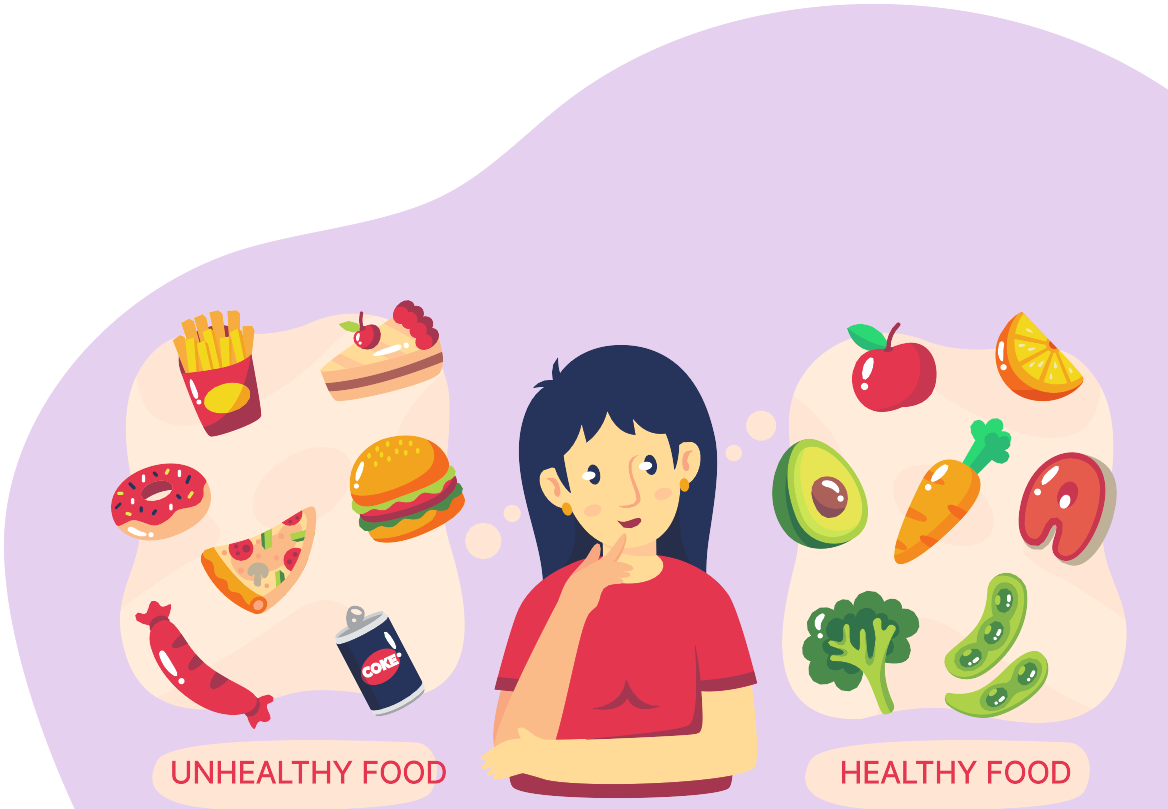
Still, paying attention to hunger, energy and symptoms can help you choose meals that support you throughout the month. A balanced pattern that includes protein, whole grains or other carbohydrate sources, vegetables and fruit, healthy fats and enough fluids is a useful foundation.
Cycle-based eating can be personalised without turning every phase into a strict food plan.
During Your Period
During menstruation, focus on regular meals and foods that provide iron, protein and other nutrients. Iron-rich foods include meat, beans, lentils, tofu and leafy green vegetables. Pairing plant sources of iron with vitamin C-rich foods can support iron absorption.
If your periods are heavy, nutrition becomes especially important, but food alone cannot replace medical assessment for heavy menstrual bleeding or iron deficiency.
Warm meals, enough fluids and foods you enjoy may also make it easier to eat regularly when cramps or low appetite affect you.
Around the Follicular Phase
As your period ends and the follicular phase continues, aim for balanced meals rather than a special “follicular phase diet.” Include protein at meals, fibre-rich carbohydrates, vegetables, fruit and healthy fats.
If your appetite or energy changes, adjust portions rather than following a rigid calorie target. Your needs can also change with exercise and other factors unrelated to your cycle.
Around Ovulation
There is no proven food that can make you ovulate on demand. Around ovulation, the most useful approach is still a varied, nutrient-dense diet.
If you are trying to conceive, overall preconception nutrition matters more than choosing foods for a particular cycle day. Folic acid supplementation is commonly recommended before pregnancy, and a healthcare professional can advise you based on your circumstances.
During the Luteal Phase
Some people notice more hunger, cravings or PMS symptoms in the days before a period. Regular meals containing protein, fibre and satisfying fats can help you build a steady eating pattern.
There is no need to feel guilty about increased appetite before a period. Appetite can change as hormones shift. If cravings are intense or your eating pattern causes distress, discuss this with a healthcare professional or registered dietitian.
The Simple Approach
Instead of trying to eat perfectly for each phase, build a pattern you can maintain all month. Think about variety, enough food, protein, fibre, fruit and vegetables, healthy fats and hydration.
Your cycle tracker can help you compare symptoms and appetite with different parts of your cycle. Use the data to understand your body, not to create unnecessary food rules.
Frequently Asked Questions
Quick answers to common questions.
What should I eat during my period?
Choose balanced meals with protein, iron-rich foods, vegetables or fruit, fibre-rich carbohydrates and fluids.
Are there foods that increase ovulation?
There is no single food proven to trigger ovulation. Overall nutrition and health are more important.
Should I eat more during the luteal phase?
Some people experience increased appetite before a period. Responding to hunger with satisfying, balanced meals can be appropriate.
Do I need a special diet for each cycle phase?
No. A balanced eating pattern can support health throughout the entire cycle.
Building a Balanced Plate Throughout the Month
A practical way to approach cycle nutrition is to build meals around foods you already enjoy rather than creating a separate diet for every phase.
A balanced plate can include a protein source, a fibre-rich carbohydrate, vegetables or fruit and a source of healthy fat. Examples include lentils with rice and vegetables, eggs with whole-grain toast and fruit, or fish with potatoes and a large serving of vegetables.
If you have heavy periods, include iron-rich foods regularly. If you exercise frequently, make sure your overall food intake provides enough energy for your activity. If you are trying to conceive, preconception nutrition deserves particular attention, including appropriate folic acid supplementation.
Your appetite may change before a period. That does not mean you have lost control or need to restrict food. Eating satisfying meals and responding to hunger can be part of a healthy pattern.
If you have diabetes, an eating disorder, a gastrointestinal condition, food allergies or another health issue, individual dietary advice may be more appropriate than general cycle-based recommendations.
Track It in the App
Build a balanced eating pattern for the whole month rather than following rigid phase-specific food rules.