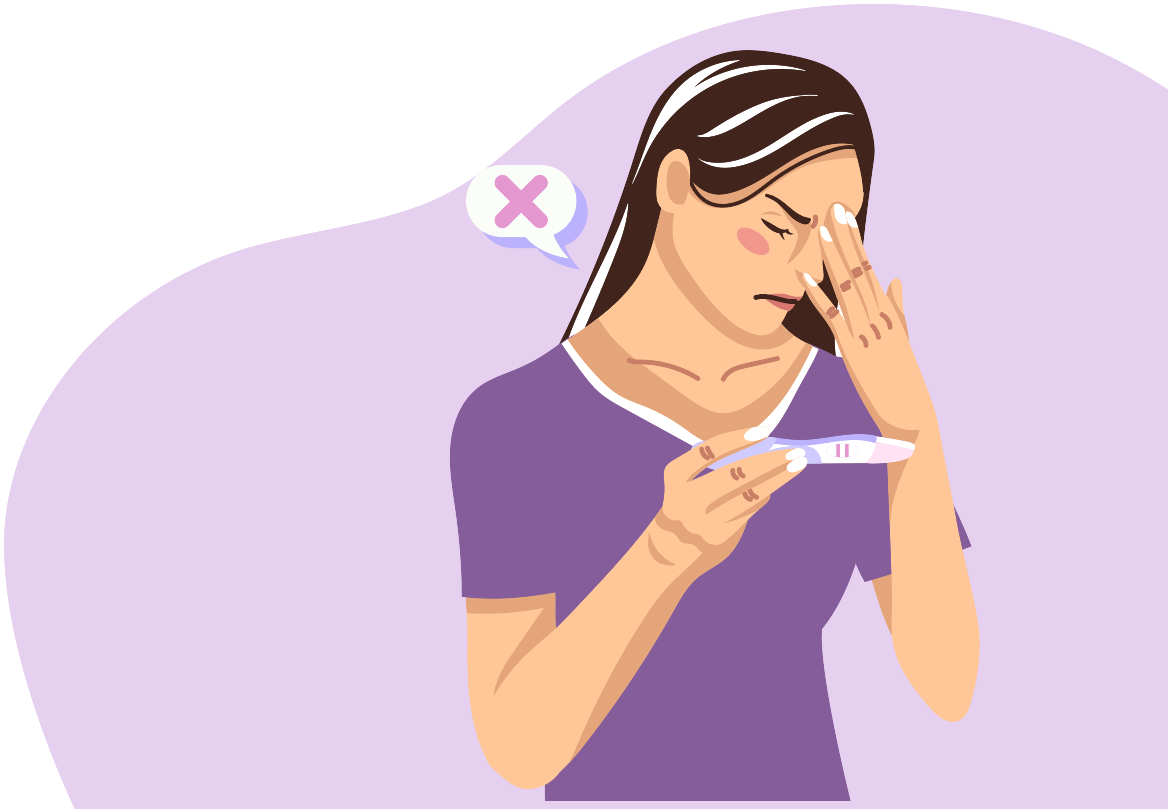
How Long Does It Take to Get Pregnant? Among couples with no known fertility issues attempting to conceive through regular, unprotected intercourse, approximately 80 to 85 percent achieve pregnancy within one year, with the majority conceiving within the first six months (Practice Committee of the American Society for Reproductive Medicine, 2017). These figures represent averages, and individual timelines vary considerably based on several identifiable factors.
Cumulative Pregnancy Rates Over Time
Monthly conception probability for a healthy couple under 35 having regular intercourse during the fertile window is estimated at roughly 20 to 25 percent per cycle. This probability compounds over successive months rather than remaining static, which explains why the cumulative pregnancy rate climbs steeply within the first several months before the curve flattens somewhat for those who have not yet conceived.
The Role of Age
Female age has a substantial, well-documented effect on both monthly conception probability and overall time to pregnancy. Fertility begins a gradual decline in the early thirties, with a more pronounced decline after age 35, related to both declining egg quantity and quality. A woman in her late thirties may take considerably longer to conceive than a woman in her early twenties, even in the absence of any diagnosed fertility condition. Male age also affects fertility, though the decline tends to be more gradual and begins somewhat later than the female pattern, generally becoming more noticeable after age 40 or 45.
Frequency and Timing of Intercourse
Couples who have intercourse two to three times per week throughout the cycle, without specifically tracking ovulation, generally achieve pregnancy within a similar timeframe to those who track ovulation carefully, since this frequency naturally covers the fertile window in most cases. Couples with less frequent intercourse, whether due to scheduling constraints or other factors, may take longer simply due to reduced odds of intercourse coinciding with the fertile window in any given cycle.
Other Factors Affecting Timeline
Body weight at both extremes, significantly underweight or significantly overweight, can affect ovulation regularity and, in turn, extend the time needed to conceive. Smoking has been associated with reduced fertility in multiple studies and is generally recommended against for anyone actively trying to conceive. Underlying conditions such as polycystic ovary syndrome, endometriosis, or uterine fibroids can also extend the timeline, sometimes substantially, depending on severity.
When the Timeline Suggests Evaluation Is Warranted
Standard medical guidance recommends seeking evaluation after twelve months of regular, unprotected intercourse without conception for women under 35, and after six months for women 35 and older, given the more time-sensitive nature of fertility decline past this age (Practice Committee of the American Society for Reproductive Medicine, 2013). Couples with known risk factors, including irregular cycles, a history of pelvic infection, or previous fertility treatment, may reasonably seek evaluation sooner than these general timelines suggest.
Frequently Asked Questions
Quick answers to common questions.
What percentage of couples conceive within the first six months of trying?
A substantial majority of couples without known fertility issues conceive within the first six months, with cumulative rates continuing to climb through the twelve-month mark.
Does age affect how long it takes to get pregnant even without a diagnosed condition?
Yes. Female fertility declines gradually starting in the early thirties and more noticeably after 35, extending the average time to pregnancy even in the absence of any specific diagnosed condition. When should a couple seek fertility evaluation if pregnancy has not occurred?
Evaluation is generally recommended after twelve months of trying for women under 35, and after six months for women 35 and older, given the greater time sensitivity involved at that age.
Track It in the App
Time to pregnancy varies widely. Age, ovulation, sperm health, health conditions and timing can all play a role.