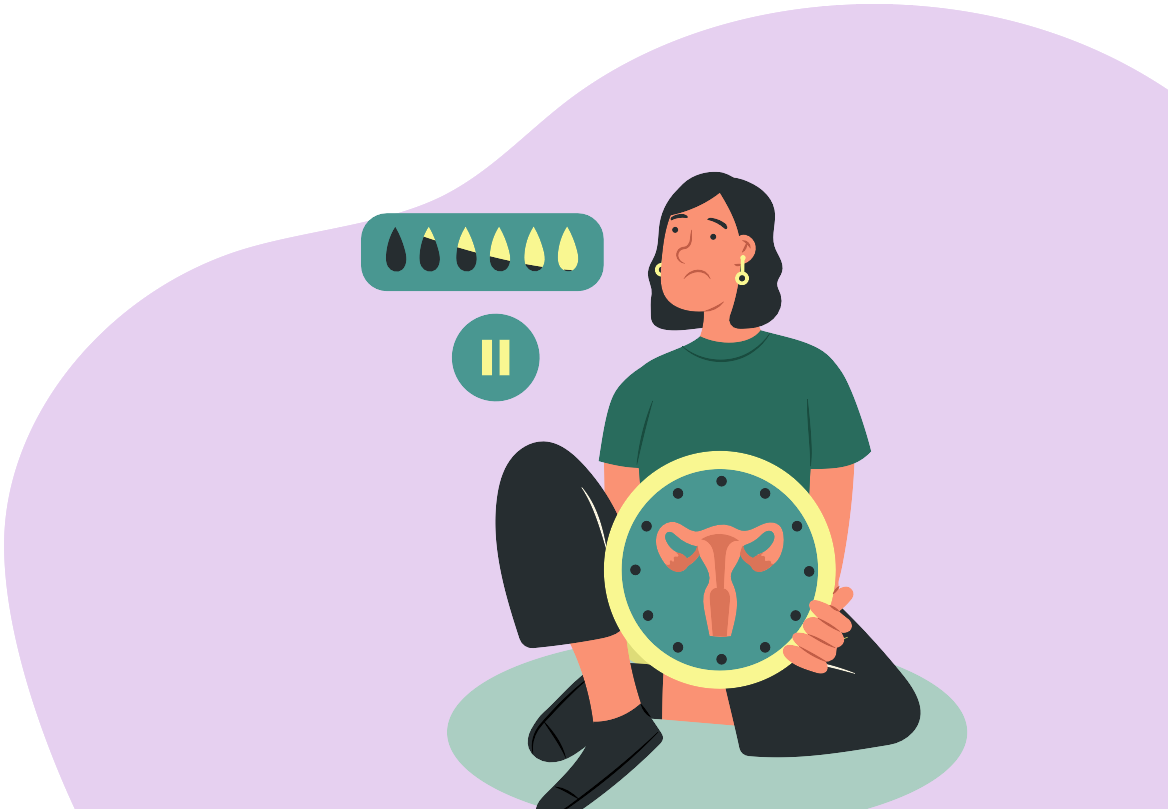
Starting Birth Control as a Teen: What to Expect for Your Cycle Hormonal birth control is prescribed to teens for reasons extending beyond contraception, including management of heavy bleeding, painful periods, and irregular cycles associated with conditions such as polycystic ovary syndrome (American College of Obstetricians and Gynecologists, 2022). The effect on the menstrual cycle depends substantially on the specific method chosen.
Combined Hormonal Methods
Combined oral contraceptives, along with the patch and vaginal ring, contain both estrogen and progestin. These methods suppress ovulation and produce a more predictable, generally lighter, and less painful bleeding pattern than a natural cycle. During the placebo or hormone-free week included in most pill packs, a withdrawal bleed occurs, which resembles a period but is technically a response to the drop in hormone levels rather than a naturally occurring menstruation. Breakthrough bleeding, or spotting between expected withdrawal bleeds, is common during the first two to three months of starting a combined method as the body adjusts. This typically resolves on its own without requiring a change in method.
Progestin-Only Methods
The hormonal intrauterine device, the implant, and progestin-only pills work differently from combined methods, and their effect on bleeding varies more widely between individuals. Some teens using a hormonal intrauterine device or implant experience significantly lighter periods or stop having periods altogether after several months, while others experience irregular spotting that can persist longer than with combined methods. This unpredictability, particularly the possibility of ongoing light bleeding or spotting, is one of the more common reasons some teens discontinue progestin-only methods, even though the methods themselves are highly effective for pregnancy prevention.
What Counts as a Normal Adjustment Period
The first three months after starting any hormonal method are generally considered an adjustment window, during which irregular bleeding, mild mood changes, or breast tenderness can occur as the body responds to the new hormone levels. Symptoms that persist unchanged well beyond this window, or that are severe enough to affect daily life, are worth discussing with a prescribing doctor, since an alternative method or dose adjustment may work better.
Monitoring for Side Effects Beyond Bleeding Changes
Beyond changes to the bleeding pattern, hormonal birth control can affect mood, and some teens report increased anxiety or low mood after starting a method, though research on this relationship shows mixed results and effects appear to vary considerably between individuals. Headaches and nausea, generally mild, can also occur during the initial adjustment period.
When Bleeding Changes Warrant a Call to the Doctor
Bleeding heavy enough to require changing a pad or tampon every hour, prolonged bleeding lasting more than three weeks continuously, or severe abdominal pain are situations that should prompt contact with a healthcare provider rather than waiting out the typical adjustment period.
Frequently Asked Questions
Quick answers to common questions.
Is it normal to have irregular spotting for the first few months on birth control?
Yes. Breakthrough bleeding during the first two to three months is common across most hormonal methods and generally resolves without intervention.
Does the withdrawal bleed on combined birth control count as a real period?
It resembles a period in appearance but results from the scheduled drop in hormone levels during the placebo days, rather than the natural hormonal cycle that produces menstruation without birth control. Can birth control stop periods completely?
Certain methods, particularly the hormonal intrauterine device and continuous-use combined pill regimens, can reduce periods to very light bleeding or eliminate them entirely for some users, which is considered a safe and intended effect rather than a cause for concern.
Track It in the App
Hormonal birth control can change bleeding patterns. The effect depends on the method used.