Premenstrual symptoms affect an estimated 20 to 40 percent of menstruating teens to a degree that noticeably impacts daily functioning, while milder symptoms are reported by the large majority (Rapkin & Winer, 2009). Symptoms typically appear in the week before a period and resolve within a day or two after bleeding begins.
Common Physical Symptoms
Bloating, breast tenderness, headaches, and mild fatigue are among the most frequently reported physical symptoms in the premenstrual window. These occur as a result of the hormonal shift during the late luteal phase, when both estrogen and progesterone decline sharply before menstruation begins. Acne flare-ups are also common during this period, driven by hormonal fluctuation affecting oil gland activity in the skin.
Common Emotional Symptoms
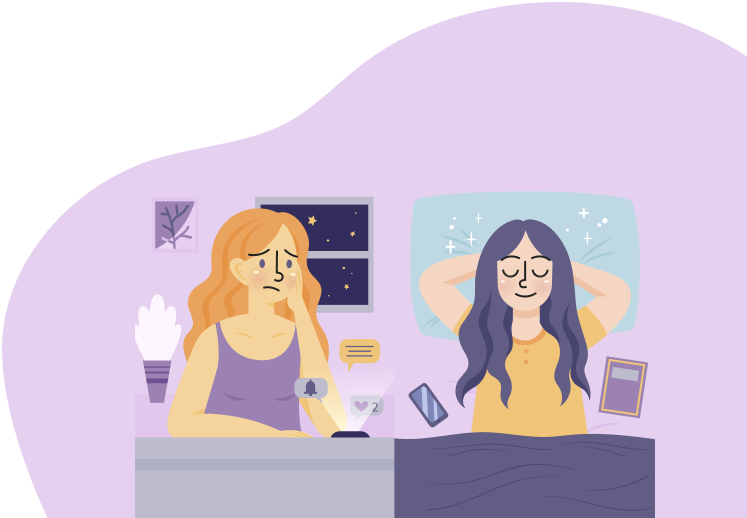
Irritability, mood swings, and increased sensitivity to stress are typical emotional symptoms associated with the premenstrual phase. Sleep disruption, whether difficulty falling asleep or increased daytime sleepiness, is also frequently reported and appears related to the drop in progesterone, a hormone with mild sedative properties.
What Distinguishes Typical PMS From a More Significant Pattern
Premenstrual dysphoric disorder, a more severe condition affecting roughly 3 to 8 percent of menstruating individuals, involves symptoms intense enough to significantly disrupt school, relationships, or daily functioning (Rapkin & Winer, 2009). This differs from typical PMS not just in degree but often in the presence of more pronounced mood symptoms, including notable depression, anxiety, or anger that feels disproportionate to the individual's usual temperament. A teen experiencing symptoms severe enough to cause missed school days, significant conflict with family or friends recurring each month, or thoughts of self-harm tied specifically to the premenstrual window should be evaluated by a healthcare provider, since these patterns extend past what is generally considered typical PMS.
Timing as a Diagnostic Clue
A defining feature of PMS, and the more severe premenstrual dysphoric disorder, is the clear relationship to cycle timing. Symptoms should emerge in the week to ten days before a period and resolve within a few days of bleeding starting. Emotional or physical symptoms that persist throughout the entire cycle, rather than clustering in this premenstrual window, suggest a different underlying issue rather than PMS specifically.
Approaches That May Help
Regular physical activity, adequate sleep, and reducing caffeine intake in the days before an expected period have shown modest benefit for some individuals in managing premenstrual symptoms. Over-the-counter pain relief addresses physical symptoms such as headache and cramping, while tracking cycles helps a teen and her family anticipate the pattern and plan accordingly, particularly around school deadlines or significant events.
Frequently Asked Questions
Quick answers to common questions.
How can a teen tell if her PMS is normal or something more serious?
Symptoms that are noticeable but manageable, and that resolve once a period begins, generally fall within a typical range. Symptoms severe enough to disrupt school attendance or relationships each month suggest a pattern worth discussing with a doctor.
Do all teens experience PMS?
No. Symptom severity varies considerably, and a meaningful proportion of teens experience little to no noticeable premenstrual symptoms at all.
Is it normal for PMS symptoms to change from one year to the next?
Yes. Symptom intensity and type can shift as hormonal cycles stabilize during the years following menarche, and further shifts sometimes accompany other life changes, including stress levels or the start of hormonal birth control.
Track It in the App
PMS varies widely. Symptoms that repeatedly interfere with school, relationships or daily life deserve professional support.