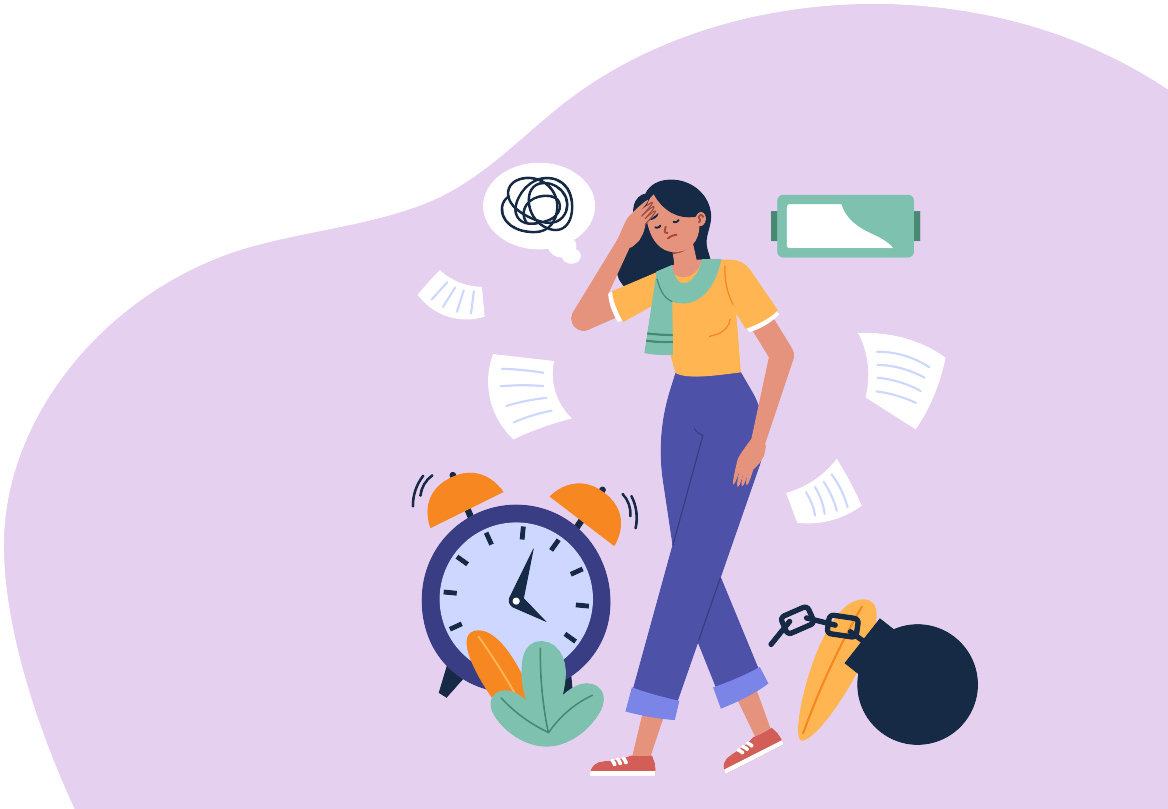
Can Stress or Sports Affect a Teen's Period? Elevated cortisol, released during periods of significant stress, suppresses gonadotropin-releasing hormone, the signal from the brain that initiates the hormonal cascade leading to ovulation (Nakamura et al., 2008). Since ovulation timing determines when the following period arrives, sustained stress, whether academic, social, or emotional, can delay or, in more extreme cases, halt periods altogether.
How Academic and Emotional Stress Affects Cycles
Exam periods, family conflict, or significant life transitions such as changing schools have all been associated with menstrual irregularity in teens. The effect is generally temporary, with cycles returning to their previous pattern once the stressful period resolves, though some teens experience lingering irregularity for a cycle or two afterward.
The Athletic Connection: Relative Energy Deficiency in Sport
Intense athletic training, particularly when combined with insufficient caloric intake to support both the training load and normal bodily functions, can produce a condition researchers term relative energy deficiency in sport (Mountjoy et al., 2018). This condition disrupts the hormonal signaling required for ovulation, often resulting in delayed periods, highly irregular cycles, or a complete absence of periods, termed amenorrhea. Sports emphasizing leanness or a specific body composition, including gymnastics, distance running, ballet, and figure skating, show higher rates of this pattern than sports without such emphasis. The underlying issue is an energy deficit relative to training demands rather than exercise itself, meaning two athletes with identical training loads but different caloric intake can experience very different menstrual outcomes.
Why This Matters Beyond the Menstrual Cycle
A missed period in an athlete is not simply a cosmetic or inconvenient symptom. Estrogen plays a significant role in maintaining bone density, and low estrogen levels resulting from a lack of ovulation can contribute to reduced bone mineral density and increased stress fracture risk, particularly concerning during the teen years when peak bone mass is still being established.
Distinguishing Temporary Stress Effects From a Longer-Term Pattern
A single missed or delayed period following a particularly stressful month, such as final exams, generally resolves without intervention once the stressor passes. A pattern of missed periods extending three months or longer, particularly in a teen involved in intensive athletic training, warrants evaluation, since it may indicate an energy deficit requiring adjustment to training load, caloric intake, or both.
Addressing the Underlying Cause
For stress-related irregularity, addressing the source of stress directly, along with ensuring adequate sleep, tends to support a return to more regular cycles over time. For athletes, working with a sports medicine physician or a registered dietitian familiar with the needs of young athletes can help identify whether caloric intake is sufficient relative to training demands, since resuming periods safely often requires increasing available energy rather than reducing training alone.
Frequently Asked Questions
Quick answers to common questions.
Can a single stressful event delay a period by weeks?
Yes. Significant acute stress can suppress ovulation enough to delay the following period by one to two weeks or occasionally longer, generally resolving once the stressor has passed. Why do some young athletes stop having periods entirely?
An energy deficit, where caloric intake does not meet the combined demands of training and normal bodily function, can suppress the hormonal signals required for ovulation, leading to infrequent or absent periods.
Is a missed period in a teen athlete something to take seriously?
Yes. Beyond the missed period itself, low estrogen resulting from a lack of ovulation can affect bone density during a critical period of bone development, making evaluation worthwhile rather than something to dismiss as a normal side effect of training.
Track It in the App
Stress and low energy availability can affect ovulation and periods. Persistent missed periods should not simply be ignored.