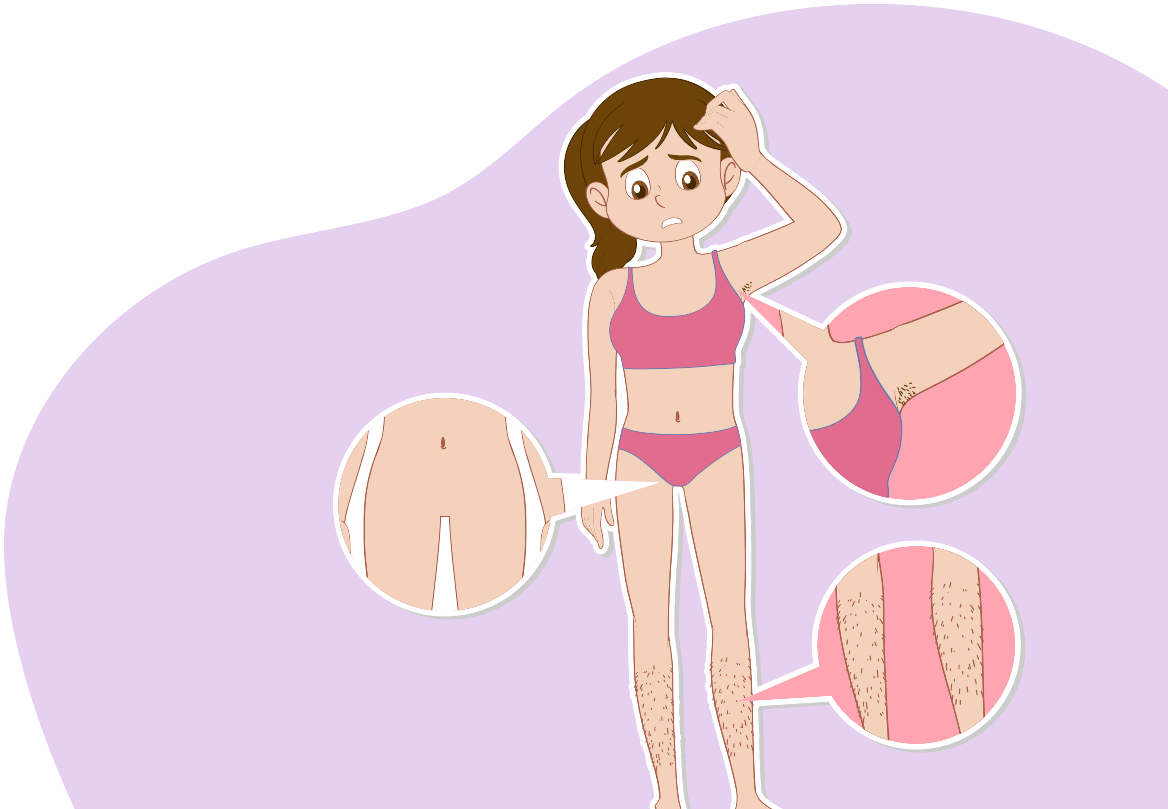
Puberty in Girls: What Changes First? Breast budding, known clinically as thelarche, is the change that appears first in the vast majority of girls, typically between ages 8 and 13 (Marshall & Tanner, 1969). This initial stage involves a small, sometimes tender lump beneath the nipple on one or both sides, occurring before any other visible pubertal sign in most cases.
The Tanner Stages
Pediatric researchers classify female pubertal development using a five-stage system developed by Marshall and Tanner. Stage 1 represents the pre-pubertal state. Stage 2 marks the beginning of breast budding and the earliest pubic hair growth. By Stage 3, breast tissue continues enlarging and pubic hair becomes coarser and more widespread. Stage 4 involves further breast contour changes, and Stage 5 represents full adult development, generally reached a few years after menarche.
Pubic Hair Growth Follows Closely
Pubic hair, medically termed pubarche, generally begins within several months of breast budding, though in some girls the two changes occur in reverse order or nearly simultaneously. This variation is considered normal and does not indicate a problem on its own.
The Growth Spurt
A rapid increase in height typically begins during Tanner Stage 2 or 3, well before menarche. Girls often grow between two and three inches per year during this peak period. Growth then decelerates markedly once menstruation begins, since the estrogen driving the menstrual cycle also signals the growth plates in long bones to begin closing.
Body Composition Changes
Fat distribution shifts during puberty, with increased deposits around the hips, thighs, and breasts driven by rising estrogen levels. Muscle mass also increases, though generally at a slower rate than in boys during the same developmental window, a difference attributable to lower testosterone levels.
Underarm Hair and Body Odor
Underarm hair growth and increased body odor, caused by newly active apocrine sweat glands, typically appear roughly a year after pubic hair growth begins. Many parents notice the change in odor before recognizing other pubertal signs, since it can develop somewhat abruptly.
Menarche Arrives Last
The first period marks a relatively late milestone in the overall sequence, usually occurring two to two and a half years after breast budding starts and once most other pubertal changes are already underway. By the time menarche occurs, pubic hair is generally well established and the growth spurt has often already peaked.
Frequently Asked Questions
Quick answers to common questions.
What is usually the very first sign of puberty in girls?
Breast budding is the first visible change for most girls, generally appearing before pubic hair growth or any other physical sign.
Do all girls go through puberty in the same order?
The general sequence is consistent for most girls, though the order of pubic hair growth relative to breast budding varies in a meaningful minority of cases.
How long does the entire process of puberty usually take?
From the first sign, typically breast budding, to full adult development, the process generally spans three to four years.
Track It in the App
Puberty develops in a general sequence, but the pace and exact order can vary from person to person.