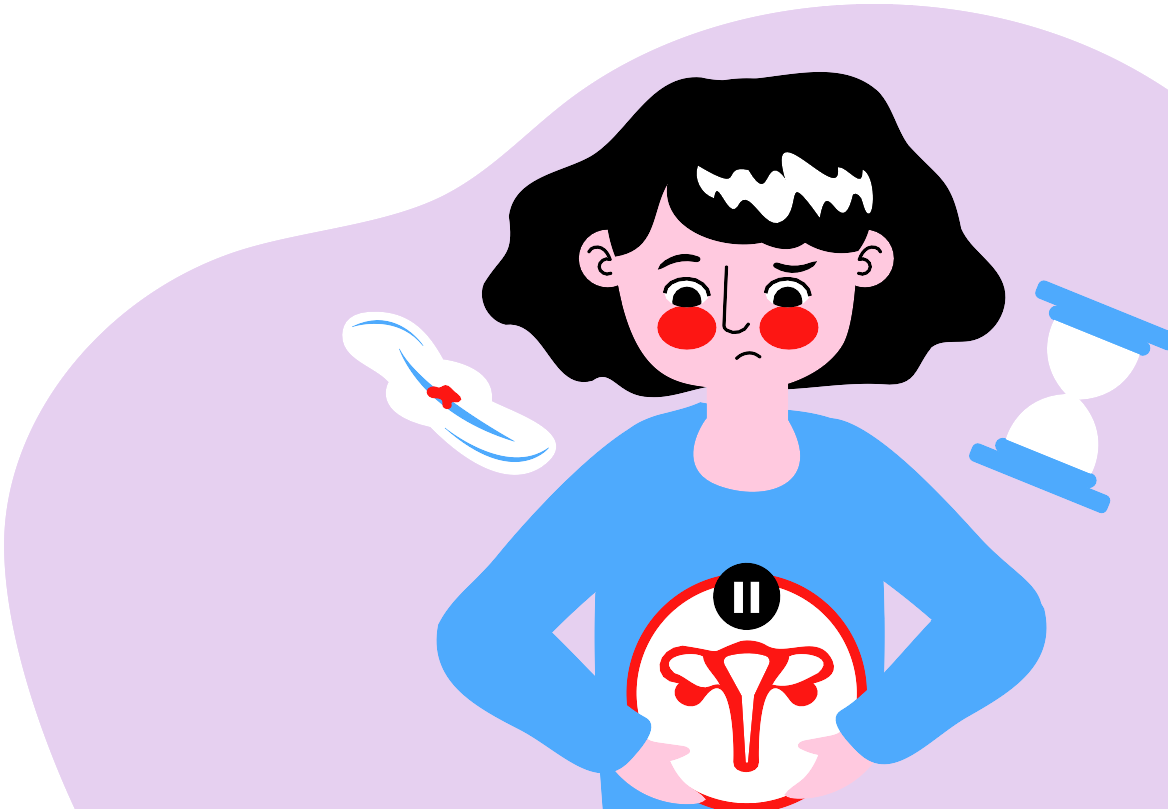
What Are the Common Symptoms of Menopause?
Menopause symptoms are linked to changes in reproductive hormones and can affect more than your periods.
Common symptoms include hot flushes, night sweats, sleep problems, mood changes, vaginal dryness and changes in sexual desire.
Some people experience mild symptoms, while others find that they affect everyday activities.
Hot Flushes and Night Sweats
Hot flushes can cause a sudden feeling of warmth, sweating and sometimes chills afterwards.
Night sweats can interrupt sleep and leave you feeling tired the following day.
Keeping your bedroom cool, wearing breathable clothing and identifying personal triggers may help some people manage these symptoms.
Sleep and Mood Changes
Sleep can become more difficult during menopause. Night sweats can interrupt sleep, while hormonal changes may also contribute to changes in mood.
Some people experience irritability, anxiety or low mood.
Persistent or severe mood changes should not automatically be blamed on menopause. Speak with a healthcare professional if they are affecting your daily life.
Vaginal and Urinary Symptoms
Lower oestrogen levels can contribute to vaginal dryness and discomfort during sex.
Some people also experience urinary symptoms.
These symptoms can be treated, so you do not have to simply accept discomfort as part of getting older. A healthcare professional can discuss appropriate treatment options.
Long-Term Health After Menopause
Bone health and cardiovascular health become particularly important after menopause.
Regular physical activity, a balanced diet, not smoking and appropriate preventive healthcare can support long-term health.
Individual needs vary, so speak with a healthcare professional about your personal risk factors.
When Should You Seek Medical Advice?
Speak with a healthcare professional if symptoms interfere with sleep, work, relationships or daily activities.
Very heavy bleeding, bleeding between periods, bleeding after sex or any vaginal bleeding after menopause should also be assessed.
FAQ
Does everyone experience menopause symptoms?
No. Some people experience very few symptoms, while others experience several.
How long do menopause symptoms last?
There is no fixed duration. Symptoms vary in timing and intensity from person to person.
Can menopause symptoms be treated?
Yes. Depending on your symptoms and health history, treatment options can include lifestyle changes, non-hormonal treatments and hormone therapy.