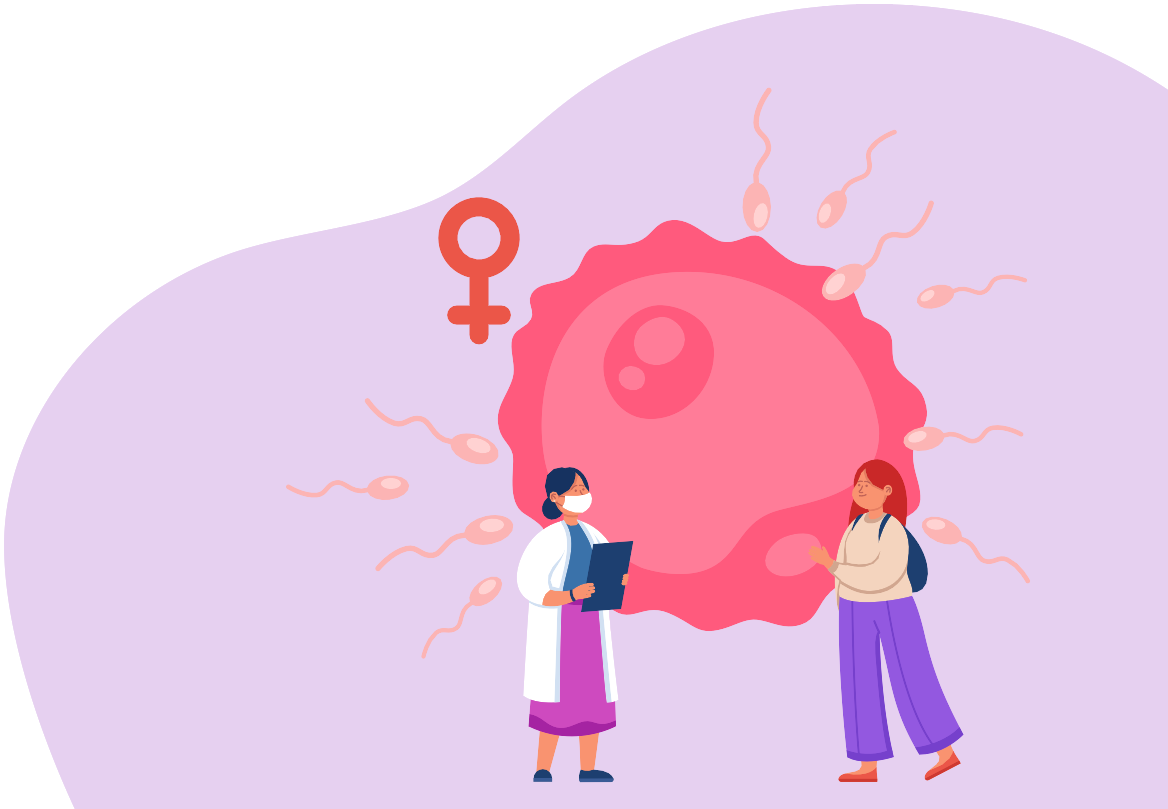
Ovulation is the release of a mature egg from one of the ovaries, triggered by a surge in luteinizing hormone roughly midway through the menstrual cycle (American College of Obstetricians and Gynecologists, 2022). This single event marks the point in the cycle at which pregnancy becomes possible, since the egg must be present to be fertilized by sperm.
The Hormonal Sequence Behind Ovulation
The process begins earlier in the cycle than the release itself. Follicle-stimulating hormone, released by the pituitary gland, prompts several follicles within the ovary to begin developing, each containing an immature egg. As these follicles grow, they produce increasing amounts of estrogen. Typically, one follicle outpaces the others and becomes dominant, while the remaining follicles stop developing and are reabsorbed. Once estrogen from the dominant follicle reaches a sufficiently high level, it triggers a sharp surge in luteinizing hormone. This surge, rather than estrogen itself, is the direct signal that causes the mature egg to be released from the follicle, an event that occurs approximately 24 to 36 hours after the surge begins.
When Ovulation Typically Occurs
In a 28-day cycle, ovulation generally occurs around day 14, counting from the first day of the period. Cycle length variation, however, means this timing shifts considerably between individuals; someone with a 35-day cycle typically ovulates closer to day 21, while someone with a 24-day cycle may ovulate as early as day 10. The luteal phase, following ovulation, remains relatively fixed at 12 to 14 days regardless of total cycle length, which is why ovulation timing, rather than period timing, is the more variable point to calculate.
What Happens to the Egg After Release
Once released, the egg travels into the fallopian tube, where it remains viable for fertilization for approximately 24 hours. If sperm are present during this window, fertilization can occur. If fertilization does not take place, the egg disintegrates and is absorbed by the body, while the ruptured follicle transforms into the corpus luteum, a temporary structure producing progesterone to support the uterine lining through the luteal phase. Can More Than One Egg Be Released? In most cycles, a single egg is released. Occasionally, two eggs are released within a short window of each other, a phenomenon called hyperovulation, which can result in fraternal twins if both eggs are fertilized. This occurs more frequently in certain families, suggesting a genetic component, and its likelihood also increases somewhat with maternal age.
Frequently Asked Questions
Quick answers to common questions.
What hormone directly triggers the release of the egg during ovulation?
A surge in luteinizing hormone is the direct trigger, occurring after estrogen from the developing follicle reaches a threshold level.
How long after the luteinizing hormone surge does ovulation actually occur?
The egg is typically released 24 to 36 hours after the surge begins, which is the basis for using ovulation predictor kits to anticipate the fertile window.
Does ovulation happen on the same day of the cycle every month?
Not necessarily. Ovulation timing depends on how long the follicular phase takes to produce a dominant follicle, which can vary from cycle to cycle even within the same individual.
Track It in the App
Ovulation is the release of an egg. Its timing can shift from cycle to cycle, so calendar day alone is not a perfect predictor.