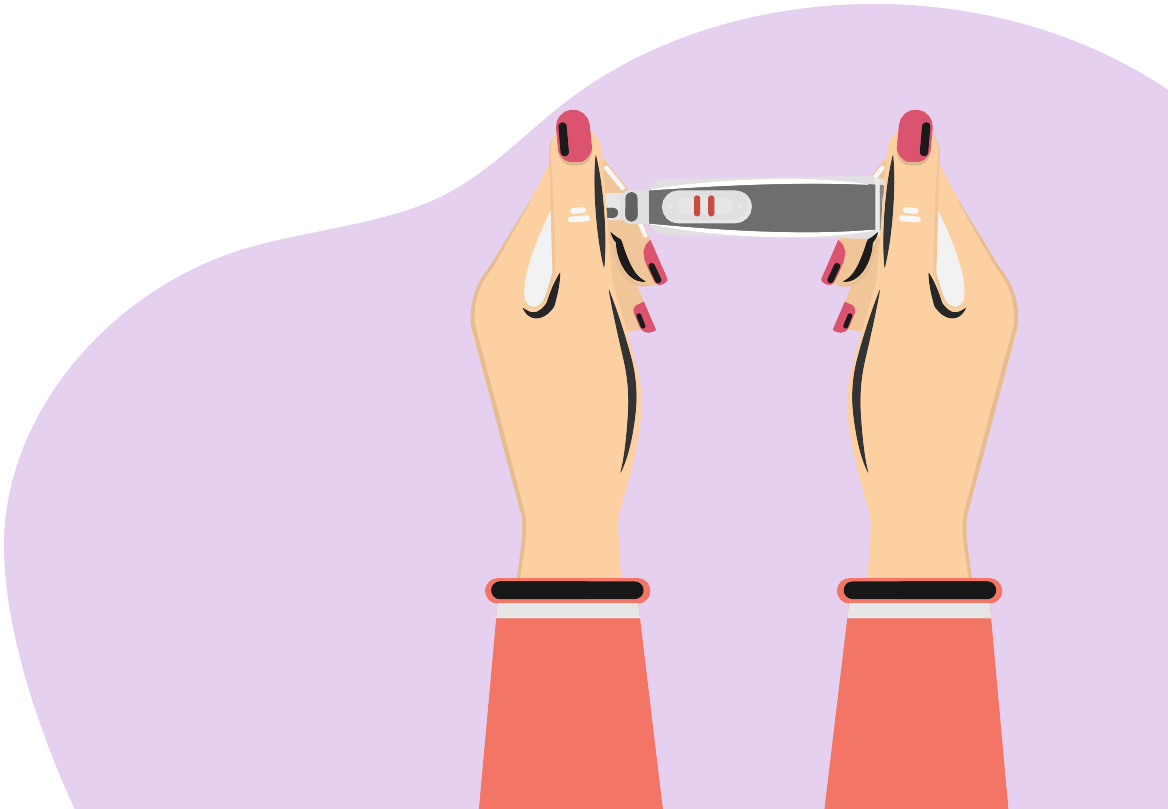
Ovulation predictor kits detect luteinizing hormone in urine, identifying the surge that occurs roughly 24 to 36 hours before an egg is released (Guermandi et al., 2001). Testing at the correct point in the cycle, and interpreting the results correctly, determines how useful these kits are for identifying the fertile window.
When to Start Testing
Testing should begin several days before ovulation is expected, based on typical cycle length. For a 28-day cycle, ovulation generally occurs around day 14, so testing might reasonably start around day 10 or 11. For those with longer or shorter cycles, subtracting 17 days from the typical total cycle length provides a reasonable estimate of when the fertile window, and therefore testing, should begin. Testing once daily is sufficient for many people, though testing twice a day, roughly twelve hours apart, can help catch a surge that might otherwise fall between single daily tests, particularly for those with shorter or less predictable cycles.
How to Read the Results
Most ovulation predictor kits display two lines, similar in format to a pregnancy test. A positive result requires the test line to appear as dark as, or darker than, the control line, indicating that luteinizing hormone has reached the threshold associated with an impending ovulation. A faint test line that is lighter than the control line is considered negative, even though some hormone is present, since it has not yet reached the surge threshold. Digital ovulation tests remove some of the ambiguity involved in reading line darkness by displaying a clear symbol, such as a smiley face or the word "peak," once the hormone threshold is detected.
Common Testing Mistakes
Diluted urine, resulting from drinking large amounts of fluid shortly before testing, can produce a false negative by lowering the concentration of luteinizing hormone below the detectable threshold. Testing with the first urine of the morning is generally discouraged for this particular hormone, since luteinizing hormone surges typically build over the course of the day; testing in the late morning or afternoon, using urine that has been held for at least four hours, tends to produce more reliable results. Certain conditions, including polycystic ovary syndrome, can produce consistently elevated baseline luteinizing hormone levels, leading to persistently positive-looking results that do not accurately reflect an actual impending ovulation. This is a known limitation of the testing method for individuals with this condition.
What a Positive Result Means for Timing
A positive test indicates that ovulation is likely to occur within the next 24 to 36 hours, making the day of the positive result and the following one to two days the period of highest fertility. Since sperm can survive in the reproductive tract for several days, intercourse in the days leading up to and immediately following a positive test maximizes the chance of conception for those trying to become pregnant.
Frequently Asked Questions
Quick answers to common questions.
How many days before an expected period should ovulation testing start?
Testing generally should begin about four days before the estimated ovulation date, calculated by subtracting 17 days from typical total cycle length.
Can ovulation tests give false results with certain conditions?
Yes. Polycystic ovary syndrome can cause persistently elevated luteinizing hormone, leading to lines that appear positive without necessarily indicating an imminent ovulation.
Is it better to test in the morning or later in the day?
Testing in the late morning to afternoon, using urine held for at least four hours, tends to produce more accurate results than testing with the first urine of the day.
Track It in the App
Ovulation tests detect an LH surge. A positive result suggests ovulation is approaching, but it is not a guarantee that ovulation occurred.