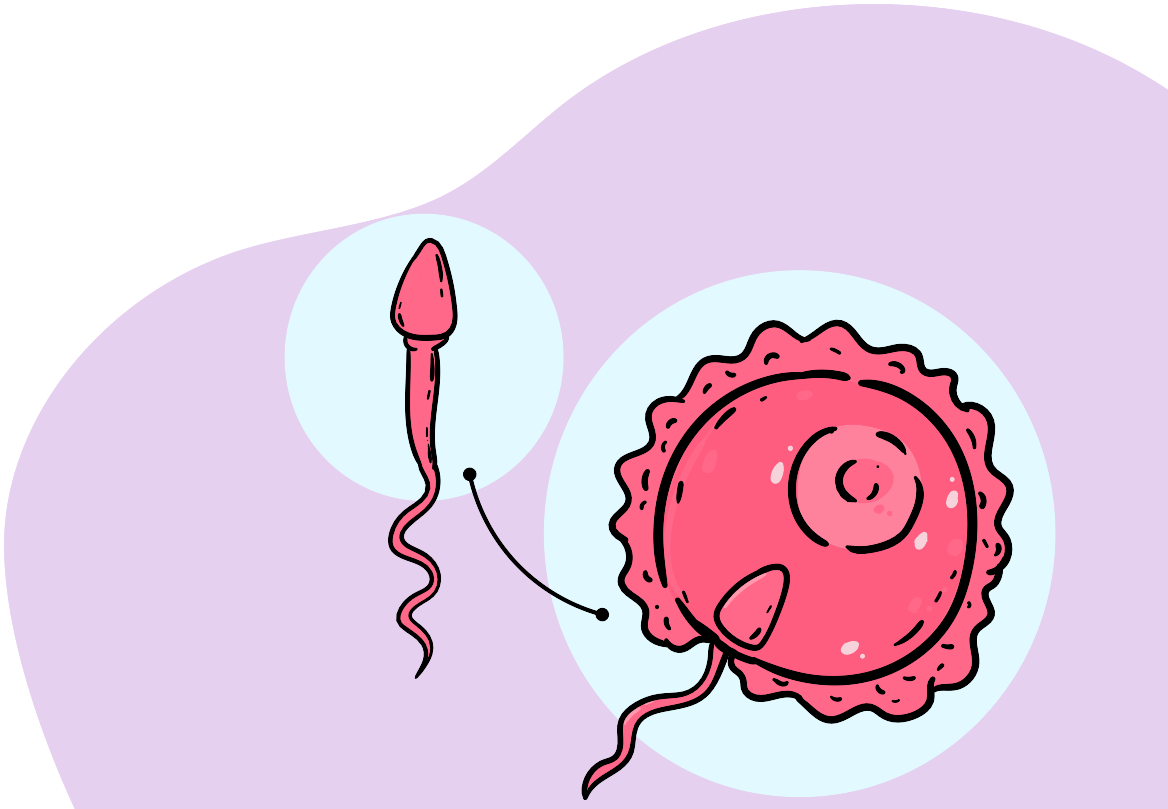
Ovulation Spotting: Is It Normal? Ovulation spotting affects an estimated 5 percent of menstruating individuals, appearing as light pink or brown discharge around the midpoint of the cycle, coinciding with the release of the egg (Weschler, 2015). This spotting is generally light, brief, lasting anywhere from a few hours to a couple of days, and distinct in color and volume from a typical period.
What Causes Ovulation Spotting
The prevailing explanation involves the brief drop in estrogen that occurs just before the luteinizing hormone surge triggers ovulation. This temporary dip, though small compared to the larger hormonal shifts of the cycle, can be sufficient to cause a small amount of the uterine lining to shed, producing the light spotting some individuals notice. This mechanism explains why the spotting is typically minimal, unlike the more substantial shedding that occurs during an actual period.
Distinguishing Ovulation Spotting From Other Bleeding
Ovulation spotting occurs at a predictable point in the cycle, roughly midway between periods, and is generally much lighter than menstrual bleeding, often requiring no more than a panty liner if any protection at all. This timing and volume distinguishes it from implantation bleeding, which occurs later in the cycle, closer to when a period would be expected, and from breakthrough bleeding associated with hormonal contraceptives, which can occur at less predictable points.
Accompanying Symptoms
Ovulation spotting sometimes occurs alongside other signs of ovulation, including mittelschmerz, the mild one-sided pelvic pain some individuals experience, and the characteristic change in cervical mucus to a clearer, stretchier consistency. The combination of these signs together provides a stronger indication that spotting is related to ovulation rather than another cause. Is Ovulation Spotting Consistent From Cycle to Cycle? For those who experience it, ovulation spotting does not necessarily occur every single cycle. Hormonal fluctuation between cycles means the estrogen dip preceding ovulation is sometimes pronounced enough to cause spotting and sometimes not, even within the same individual across different months.
When Spotting Around Ovulation Warrants Evaluation
Spotting that is heavier than light, that lasts more than two or three days, or that occurs at unpredictable times unrelated to the expected midpoint of the cycle should be evaluated, since these patterns can indicate causes other than typical ovulation spotting, including hormonal imbalance, polyps, or, for those using hormonal contraception, a need to adjust the method. Spotting accompanied by significant pain, fever, or unusual discharge also warrants prompt medical attention.
Frequently Asked Questions
Quick answers to common questions.
Is spotting at ovulation a sign of a hormonal problem?
For most individuals who experience it, ovulation spotting reflects a normal, temporary dip in estrogen and does not indicate a hormonal problem, though persistent or heavy spotting deserves evaluation.
How can ovulation spotting be told apart from an early period?
Ovulation spotting occurs roughly midway through the cycle and is typically much lighter and shorter in duration than a period, which arrives closer to the end of the luteal phase and generally involves heavier flow.
Does everyone experience ovulation spotting? No. Only an estimated 5 percent of menstruating individuals notice this spotting consistently, though the underlying estrogen dip that can cause it occurs in most ovulatory cycles regardless of whether visible spotting results.
Track It in the App
Light mid-cycle spotting can happen, but heavier, persistent or painful bleeding should be evaluated.