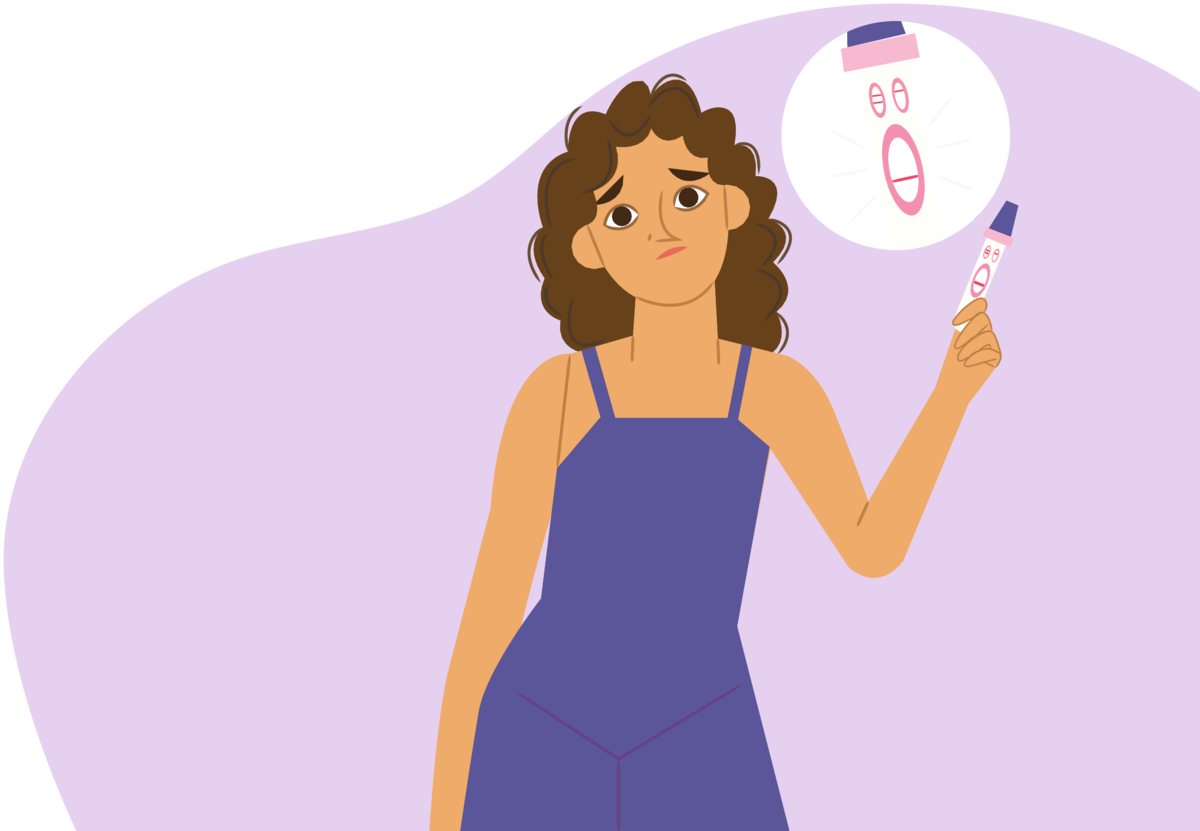
Pregnancy is one of the first things to consider when a period is late and pregnancy is possible, but it is not the only explanation. Ovulation can happen later than expected, which naturally shifts the next period.
Stress, major changes in weight, intense exercise, breastfeeding, hormonal contraception and perimenopause can all affect menstrual timing. Conditions such as PCOS and thyroid disorders can also cause periods to become irregular or stop for a while.
If your period is late, think about what has changed recently rather than assuming the predicted date is exact. Cycle predictions are estimates, especially when your usual pattern is changing.
Common Reasons for a Missed Period
Stress can affect the hormonal signals involved in ovulation. A sudden change in exercise or a large change in body weight can also disrupt the cycle. Eating too little for your body's energy needs can affect reproductive hormones.
Hormonal contraception can change bleeding patterns too. Some methods make periods lighter, less frequent or stop altogether. Breastfeeding can also suppress ovulation for a period of time.
As people approach menopause, ovulation becomes less predictable and periods can become irregular. Medical conditions, including PCOS and thyroid disorders, are other possible causes.
What If Your Pregnancy Test Is Negative?
If pregnancy is possible, a home pregnancy test can help. Testing very early can produce a negative result even when pregnancy has occurred, so the timing of the test matters.
If your test is negative and your period still does not arrive, consider whether you may have ovulated later than expected. Retesting after an appropriate interval can be useful when pregnancy remains possible.
If you repeatedly have late or missed periods, do not rely on pregnancy tests alone. A healthcare professional can help look for other causes.
When Should You See a Doctor?
Speak with a healthcare professional if you miss several periods, your usual cycle changes repeatedly or you have other symptoms that concern you. You should also seek advice if missed periods are making it difficult to understand when you ovulate or are trying to conceive.
Additional symptoms such as unexplained weight change, marked tiredness, new facial hair growth, significant acne or pelvic pain may provide clues about the underlying cause.
A clinician may ask about your menstrual history, pregnancy possibility, contraception, medications, exercise, eating patterns and stress. Tests depend on the individual situation.
Use Your App as a Record, Not a Diagnosis
An ovulation app can help you record period dates and identify patterns, but it cannot determine every reason for a missed period.
When a period is late, your app may update its predictions because the data have changed. That does not necessarily mean something is wrong. It may simply mean that ovulation happened later than the original estimate.
Keep tracking your actual bleeding rather than changing dates to match the prediction. Accurate entries give you a better record of your cycle over time.
Frequently Asked Questions
Quick answers to common questions.
How late can a period be and still be normal?
Cycle timing can vary, and a single late period is often not a sign of a serious problem. Repeated missed or irregular periods should be discussed with a healthcare professional.
Can stress make you miss a period?
Yes. Stress can affect the hormonal signals that control ovulation and may delay or prevent ovulation in a cycle.
Can you miss a period without being pregnant?
Yes. Stress, weight changes, intense exercise, breastfeeding, hormonal contraception, PCOS, thyroid problems and perimenopause are among the possible causes.
Should I take another pregnancy test if my period is late?
If pregnancy is possible and the first test was taken early, retesting later may be appropriate. Follow the instructions for the test you use.
What to Do When Your Period Is Late
Start by checking whether pregnancy is possible. If it is, use a home pregnancy test according to its instructions. Remember that an app's predicted period date is an estimate, so a late prediction does not necessarily mean your period is medically late.
Next, think about recent changes. Have you been under unusual stress? Have you changed your exercise routine, eating pattern or weight? Have you recently started, stopped or changed contraception? Are you breastfeeding? Are you approaching an age when perimenopause may be possible? These details can help explain a change in cycle timing.
If missed periods keep happening, arrange a medical assessment. This is particularly important if you also have symptoms such as significant weight change, unusual tiredness, new facial hair growth, persistent acne, pelvic pain or difficulty becoming pregnant.
Keep your actual cycle information separate from your predictions. Record when bleeding really starts and let the app update its estimates. Accurate data are more useful than trying to make your real cycle fit a predicted calendar.
Track It in the App
A late period can have many causes. Record what actually happens in your cycle and consider pregnancy testing when pregnancy is possible.