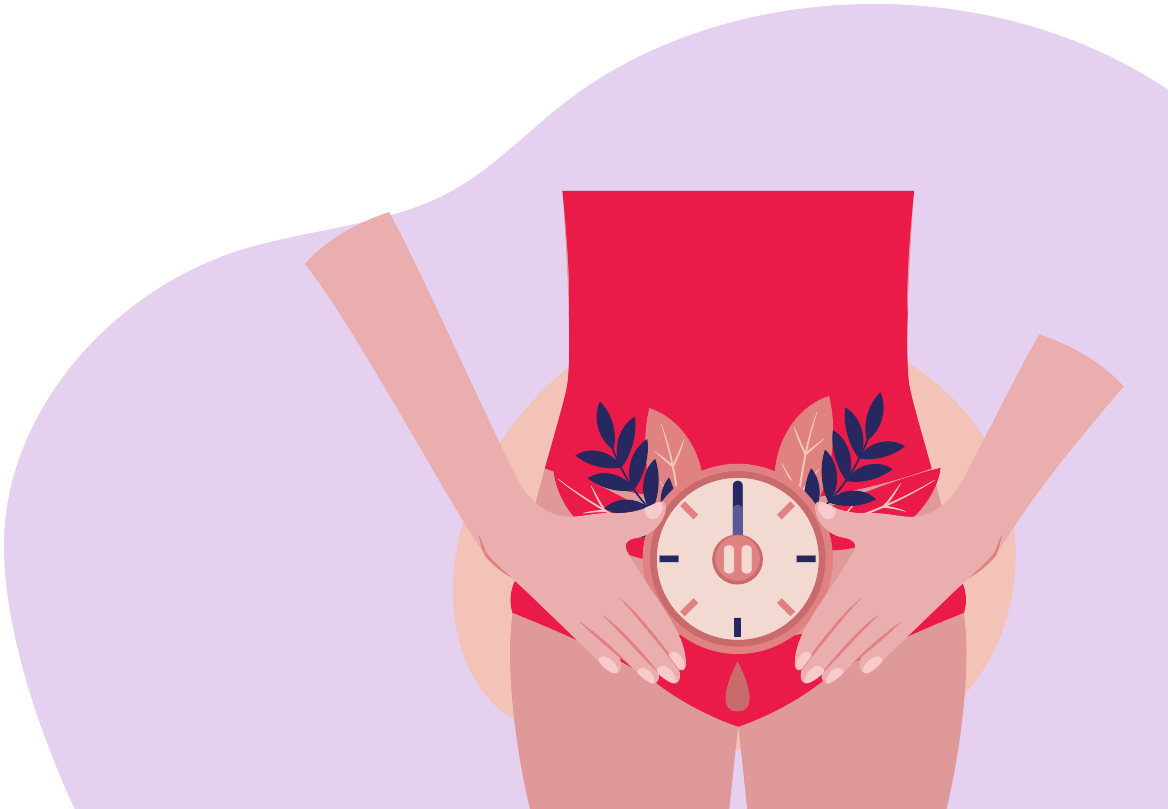
What Happens After You Stop Birth Control?
Your cycle after stopping contraception depends on the method you used and what your natural cycle was like before starting it.
Some people begin ovulating and having periods quickly. Others take longer to return to their previous pattern. Hormonal contraception can also have been masking irregular cycles that were present before it was started.
A change in bleeding after stopping contraception does not automatically mean there is a fertility problem.
When Does Ovulation Return?
Ovulation can return before the first period after stopping some forms of hormonal contraception. This means pregnancy can be possible before you see a period.
The timing varies by method and individual. If you do not want pregnancy, use another effective contraceptive method as soon as appropriate.
If you are trying to conceive, tracking can help you learn when your cycle appears to be returning. Remember that an app prediction is an estimate, particularly when your cycle is changing.
Why Your Period May Be Late
A late period after stopping birth control can have several explanations. Your body may still be returning to its usual pattern, or ovulation may have happened later than expected.
The underlying reason you originally used contraception can matter too. For example, if you had irregular periods because of PCOS, stopping hormonal contraception may allow that pattern to return.
Pregnancy is also possible if you have had sex without contraception, because ovulation can happen before the first post-contraception period.
When to Take a Pregnancy Test
If pregnancy is possible, use a home pregnancy test according to the instructions. If your cycle is unpredictable, it may be difficult to know when your period is technically late, so timing the test based on the sexual exposure or expected period may be more useful.
If a test is negative but your period does not return, follow the test instructions about repeating it and speak with a healthcare professional if you remain concerned.
When to Seek Medical Advice
Talk to a healthcare professional if your periods remain absent or very irregular, especially if you are concerned about fertility. You should also seek advice if you have significant pain, very heavy bleeding or other symptoms that are unusual for you.
Tracking period dates, symptoms and ovulation-test results can provide useful information during the transition back to your natural cycle.
Frequently Asked Questions
Quick answers to common questions.
How long does it take for periods to return after birth control?
It varies by contraceptive method and individual. Some people resume cycles quickly, while others take longer.
Can you ovulate before your first period after stopping birth control?
Yes. Ovulation can happen before the first period, so pregnancy is possible.
Why is my period late after stopping the pill?
Your cycle may take time to settle, or ovulation may have occurred later than expected. Pregnancy should also be considered if it is possible.
Should I track ovulation after stopping birth control?
Tracking can help you learn your natural cycle, especially if you are trying to conceive. Predictions may be less reliable while your cycle is settling.
Trying to Conceive After Birth Control
If you stop birth control because you want to become pregnant, remember that ovulation may return before your first period. This means you may be fertile sooner than expected.
Some people find that their natural cycle looks very similar to their previous pattern. Others discover that the contraception had been making their periods more regular, lighter or less painful. Once it is stopped, the earlier pattern may return.
If you are trying to conceive, track your actual period dates and consider adding ovulation information if your app supports it. Do not assume that the first predicted fertile window is guaranteed to be correct while your cycle is settling.
If you do not want pregnancy, use another effective contraceptive method when appropriate. The fact that you have not had a period yet does not mean pregnancy is impossible.
If periods remain absent or very irregular, or if you are concerned about fertility, speak with a healthcare professional. Your previous cycle history, the type of contraception you used and your current symptoms can all help guide the assessment.
Track It in the App
Ovulation can return before the first post-contraception period. Track your cycle and use contraception if pregnancy is not desired.