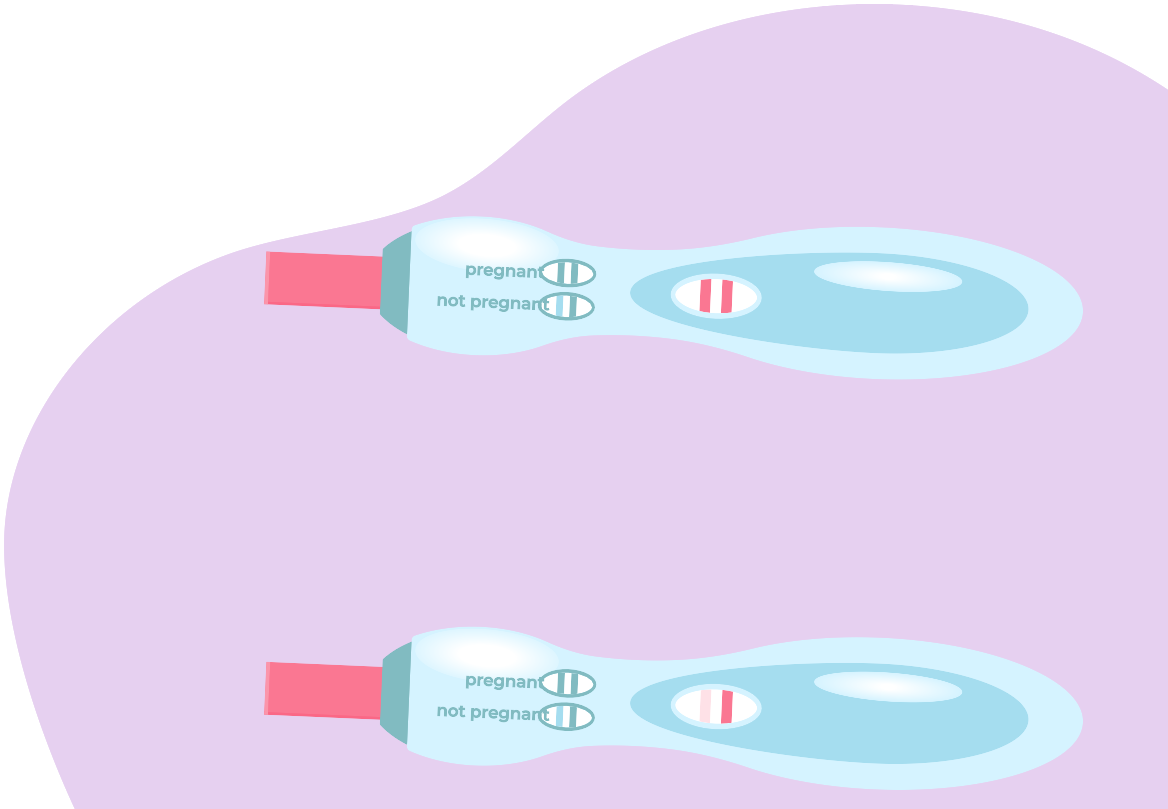
BBT vs Ovulation Tests: Which Should You Use? Basal body temperature tracking confirms that ovulation has already occurred, while ovulation predictor kits detect the luteinizing hormone surge that precedes ovulation by roughly 24 to 36 hours, making the two methods fundamentally different in what they reveal and when they reveal it (Steward & Raja, 2020; Guermandi et al., 2001). Choosing between them, or combining both, depends largely on the specific goal involved.
What Basal Body Temperature Offers
Temperature tracking requires no purchased test strips beyond an initial basal thermometer, making it a lower ongoing cost compared to repeated purchase of ovulation predictor kits. Over several cycles, temperature charting establishes a personalized pattern, revealing the typical length of the luteal phase and confirming, cycle after cycle, that ovulation is occurring at all. This retrospective confirmation carries particular value for those investigating irregular cycles or difficulty conceiving, since it answers the basic question of whether ovulation is happening, separate from timing precision. The central limitation is timing. Because the temperature rise occurs after ovulation, this method offers no advance warning, making it less useful on its own for timing intercourse within a given cycle for conception purposes.
What Ovulation Predictor Kits Offer
Predictor kits provide advance notice, typically one to two days, before ovulation occurs, directly addressing the limitation of temperature tracking. This advance warning is the primary reason predictor kits are generally preferred by those actively trying to conceive within a specific cycle, since it allows planning of intercourse timing before, rather than only confirming after, ovulation takes place. The ongoing cost of purchasing test strips represents a practical downside, particularly for those testing across multiple cycles or testing twice daily to increase detection accuracy. Additionally, certain conditions, including polycystic ovary syndrome, can produce results that appear positive without reflecting an accurate impending ovulation, a limitation not shared by temperature-based confirmation.
Combining Both Methods
Using predictor kits to anticipate ovulation, then confirming with basal body temperature that ovulation actually occurred as expected, offers a more complete picture than either method alone. This combined approach, sometimes used within broader fertility awareness methods, provides both the advance timing benefit of hormone testing and the retrospective confirmation benefit of temperature tracking.
Which Method Fits Which Situation
For those with a primary goal of timing intercourse to maximize conception chances within an active cycle, predictor kits generally offer more direct, actionable value due to their advance notice. For those seeking to understand their overall cycle pattern, confirm that ovulation is occurring, or track this information over an extended period at lower ongoing cost, basal body temperature offers a reasonable and informative approach. Individuals managing irregular cycles or investigating potential fertility concerns often benefit most from using both methods together, since the combination addresses both the immediate timing question and the broader pattern-confirmation question.
Frequently Asked Questions
Quick answers to common questions.
Which method gives advance warning before ovulation occurs?
Ovulation predictor kits provide advance warning, typically one to two days, by detecting the luteinizing hormone surge that precedes the actual release of the egg.
Is basal body temperature tracking useful if ovulation timing has already been missed for the month?
Yes. Even after the fertile window has closed for a given cycle, temperature tracking confirms whether ovulation occurred and establishes luteal phase length, both useful for understanding overall cycle health.
Can polycystic ovary syndrome affect the accuracy of ovulation predictor kits?
Yes. Persistently elevated baseline luteinizing hormone associated with this condition can produce results that appear positive without accurately reflecting an imminent ovulation, making combined tracking with temperature or other signs particularly useful in this situation.
Track It in the App
Ovulation tests can provide advance information, while BBT helps confirm ovulation afterward. They can complement each other.